

VALUES.
ISSUES.
PRIORITIES.
Learn where Morgan stands on the issues and more importantly, what she can do about them.
Click on the drop downs below to learn more!
JUMP TO A SPECIFIC ISSUE:

COST OF LIVING
-
The pattern shows up everywhere. Algorithmic pricing tools allow corporate landlords to synchronize rent increases across entire metro areas. Pharmacy benefit managers inflate drug costs while taking a cut. NV Energy operates as a monopoly with outsized influence over the state's energy trajectory. Private equity firms have acquired more than 200,000 homes in Nevada since 2000, extracting returns while hollowing out the neighborhoods they buy into.
What Morgan Can Do:
Morgan will push for aggressive antitrust enforcement that actually breaks up the monopolies and cartels crushing competition and inflating prices.
Morgan will co-sponsor legislation banning algorithmic price-fixing in rental markets. She can fight to close the revolving door between corporate lobbying and the agencies supposed to regulate them. She can demand transparency when private equity acquires local businesses, hospitals, or housing. And she can fight for small business access to capital and fair lending, especially in rural communities, so that Nevada's economy isn't controlled by a handful of mega-corporations.
HOUSING
-
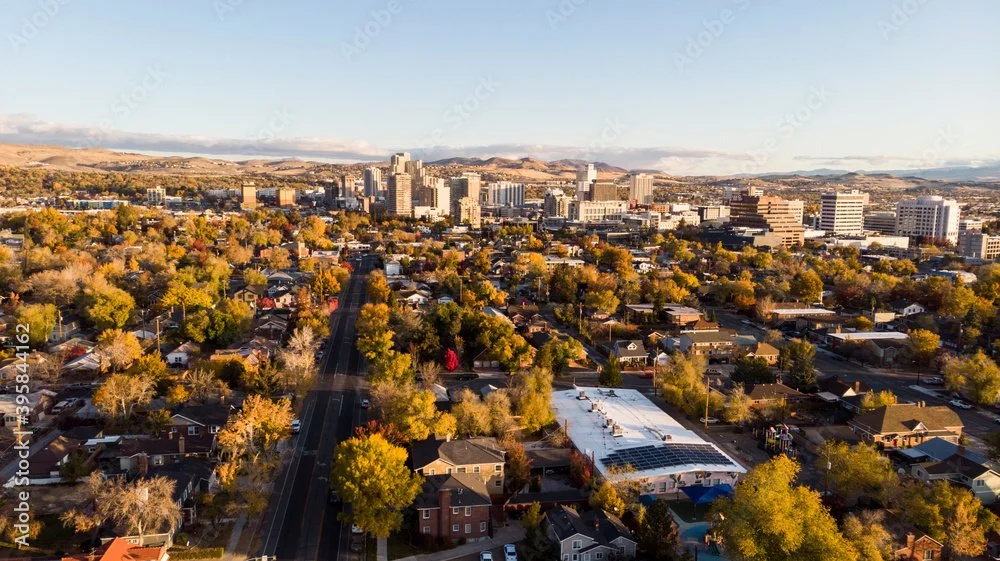
Nevada used to be where working people could actually afford to live. Those days are long gone. Monthly mortgage payments have doubled since 2019. Large investors control about 11% of single-family home rentals in Nevada, nearly four times the national average. Hedge funds and private equity firms have purchased approximately 200,000 homes across our state, buying up housing stock and converting it into rental income. Nevada now ranks as the worst state in the country for extremely low-income renters: only 16 affordable units available for every 100 households that need them. The gap is more than 70,000 homes.
The federal government owns 85% of Nevada's land, which constrains where development can happen. But the answer isn't auctioning off public lands to developers and speculators. The answer is smarter policy, real accountability for the corporations inflating prices, and actually building the housing that working families need to comfortably live in our beautiful state.
What Morgan Can Do:
Morgan will co-sponsor legislation to stop institutional investors from bulk-purchasing single-family homes.
Morgan will fight for a federal ban on the algorithmic rent-pricing tools that let corporate landlords coordinate price hikes across entire markets.
She can push for federal investment in affordable housing construction and workforce housing.
She can support smart, community-driven federal land release for housing with real environmental review and guarantees the land serves families, not speculators.
Morgan will fight for first-time homebuyer programs and down payment assistance that actually put working Nevadans in homes.

HEALTHCARE
-
The latest federal cuts to Medicaid are projected to reduce funding by roughly 1 trillion dollars over the next decade, and Nevada is expected to be hit hard. An estimated 114,500 Nevadans could lose coverage, while 34 hospitals across 13 counties could lose about 232 million dollars in revenue. The state received 180 million dollars through a federal rural health fund, but that still falls far short of the losses, and by 2028 Nevada could face 600 million to 800 million dollars per year in reduced hospital payments.
New work requirements will also push eligible people off Medicaid simply because they cannot keep up with the paperwork, not because they stopped needing care. Medicaid work requirements For rural Nevada, that means longer drives, delayed treatment, and more families forced to choose between care and other basic necessities.What Morgan Can Do:
As a freshman member of Congress, Morgan can vote against any further cuts to Medicaid and fight to restore funding that keeps rural hospitals and clinics open.
She can demand oversight hearings on how rural health dollars are being used, and whether they are actually reaching the communities most at risk. She can push for loan forgiveness for rural providers, stronger training pipelines, and housing support that helps recruit doctors, nurses, and other caregivers to underserved parts of Nevada.
She can also work to lower insurance costs, protect coverage, and make sure working families are not punished for being sick, poor, or stuck in a broken system.
ENERGY COSTS
-
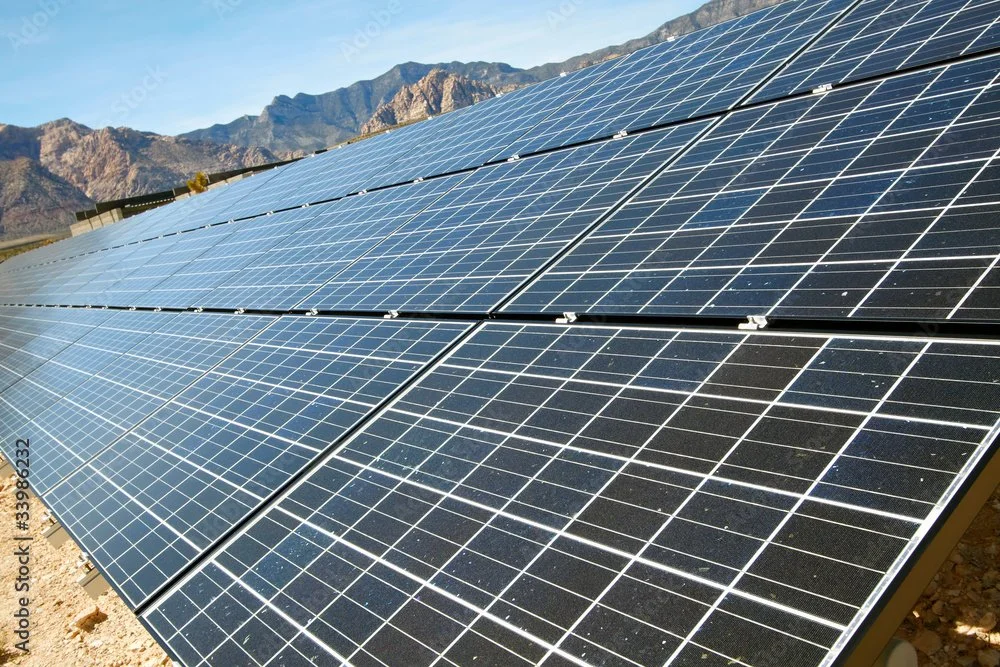
Your power bill is changing, and not in the way NV Energy's marketing suggests. The new "daily demand charge" pegs your rate to the highest 15-minute window of electricity consumption in a given day. One overlap between your air conditioning and a load of laundry can set the price for everything else. Summer bills could climb $20 to $75 per month, and the people hit hardest are families stuck with older appliances and renters who have no say over what's installed.
The Nevada Attorney General's Bureau of Consumer Protection has argued this charge may violate state law. At the same time, NV Energy is restructuring net metering to penalize rooftop solar customers, undermining the clean energy goals voters endorsed when they approved 50% renewable energy by 2030.And projected data center growth will add over 25,000 gigawatt-hours to NV Energy's load by 2033. The infrastructure to support that demand has to come from somewhere, and the bill is heading to residential customers through inflated bills.
What Morgan Can Do:
Morgan will advocate for federal oversight of monopoly utilities that inflate consumer costs, stifle competition, and obstruct clean energy initiatives.
She can fight to make sure data center energy costs don't get shifted onto residential ratepayers. She can advocate for federal clean energy incentives that benefit homeowners and families, not just corporations.
Morgan will support investment in grid modernization and battery storage that gives Nevadans more control over their own power. And she can work with anyone, regardless of party, who's serious about making sure your electric bill reflects what you use, not what NV Energy needs to recoup.

WATER
-
More than half of Nevada's groundwater basins are being pumped dry faster than nature can replenish them, with industrial growth from data centers and mining operations adding massive strain on top of agriculture and household needs. Northern Nevada's data center boom alone could demand thousands of acre-feet yearly for cooling and power, while legacy mining sites like those near Yerington still deal with contamination that makes clean water even scarcer. Farmers in places like Mason Valley watch fields shrink as aquifers drop, and cities compete for the same limited supply without statewide rules to balance it all. Federal drought aid helps patch holes, but without smarter allocation and conservation mandates, rural Nevada risks becoming unlivable while corporate projects get first dibs.
What Morgan Can Do:
Morgan will push federal funding for water infrastructure upgrades and conservation tech that helps rural districts store and stretch every drop. She'll fight for transparency rules on industrial water use, ensuring big users like data centers and mines report consumption and adopt efficient systems.
Morgan will also back reclamation standards to clean up mining pollution, protect fragile aquifers, and give local communities veto power over projects that threaten their supply, so Nevada's water serves people first, not just the deepest pockets.
DATA CENTERS
-
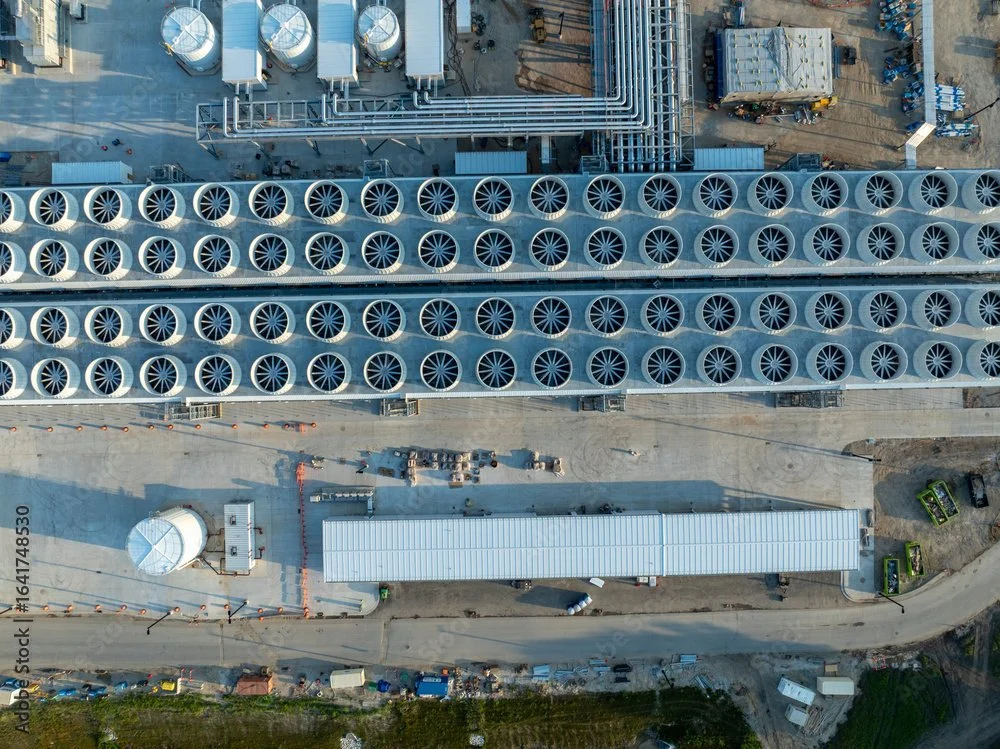
Northern Nevada has become a data center hotspot, with over 60 facilities already operating and more than 5,900 megawatts of additional capacity in the pipeline. That expansion is projected to require roughly 9,650 acre-feet of water annually just for cooling, with another 12,400+ acre-feet needed to generate the electricity they consume. At the same time, more than half of Nevada's groundwater basins are drawing down faster than nature can replenish them. There is no state or county-level framework dictating where these facilities can go. In Mason Valley, over 500 acres of agricultural land were rezoned for a massive data center complex, asking a farming community to bet its water future on the cooling needs of out-of-state tech companies. Over just two fiscal years, data center tax abatements cost the state more than $238 million in lost revenue. That's public money subsidizing private water consumption in the most arid state in America.
What Morgan Can Do:
Morgan will co-sponsor federal legislation requiring data centers to publicly report their water and energy consumption, because right now, there's no guarantee every company is even using efficient cooling systems.
Morgan will push for federal environmental impact assessments before any facility is approved on or near federal land. She can demand that tax abatements produce measurable benefit for the communities absorbing the impact, not just line items on a corporate earnings call.
Morgan will request GAO investigations into whether utility rate structures are shifting data center infrastructure costs onto your electric bill. And she can make sure rural Nevada communities have a voice before these decisions get made, not after.
THE TRUMP ADMINISTRATION
-
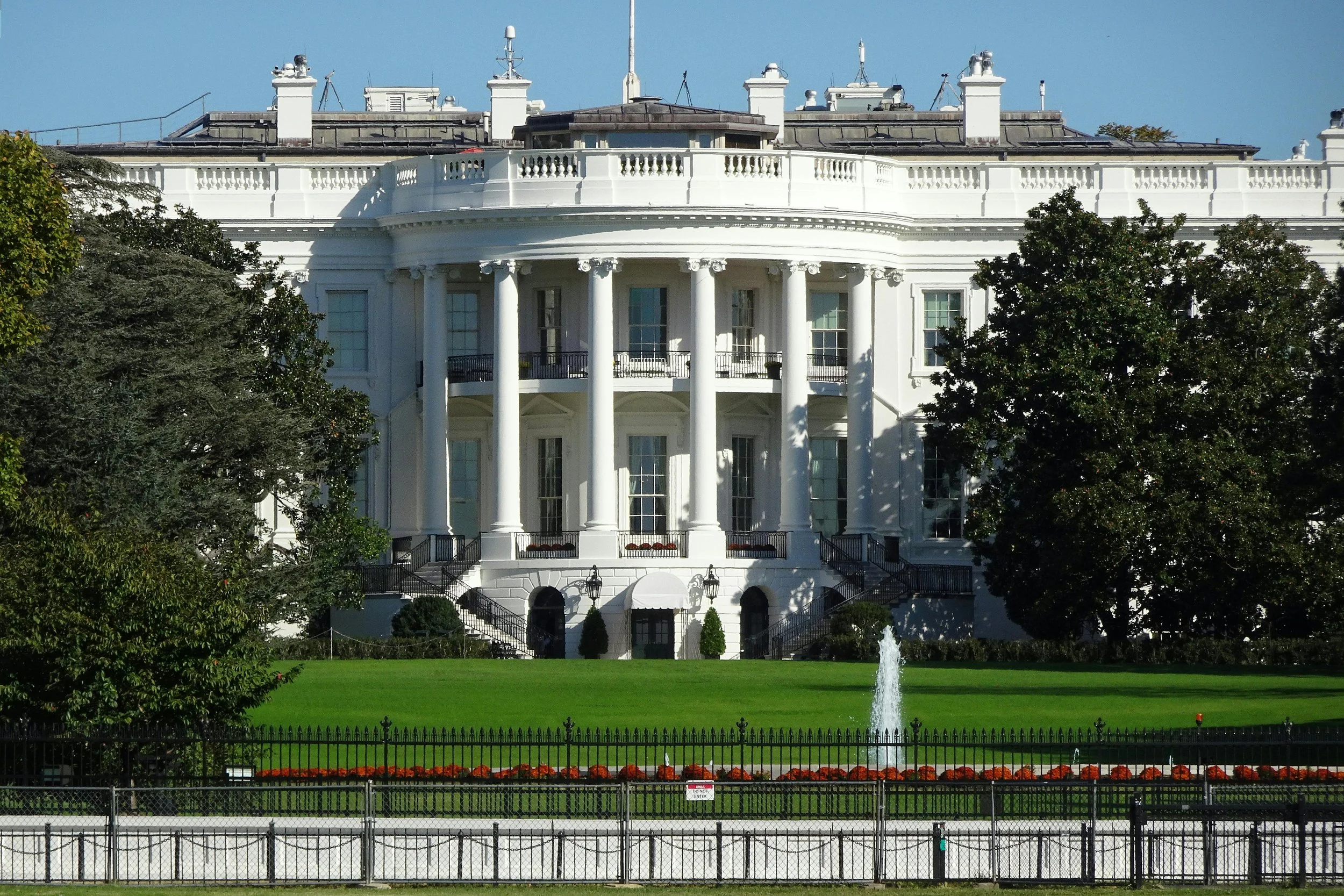
The One Big Beautiful Bill Act (OBBBA) enacts the largest Medicaid cuts in history, projected to strip coverage from over 100,000 Nevadans and accelerate rural hospital closures by hundreds of millions in lost revenue.
Nevada gas averages nearly $5/gallon and diesel over $6, demolishing Trump's pledge for $2 gas and halved energy costs in year one; Iran threats of strikes on power plants and bridges, plus naval moves in the Strait of Hormuz, have oil swinging past $110/barrel and worsening pump pain.
ICE raids have expanded to schools, churches, and workplaces with $170 billion funding terrorize immigrant-reliant rural sectors like construction and farms, spiking labor shortages. (Fun fact: Our current congressman Amodei is directly responsible for the funding of DHS, which is the department that oversees ICE.)
Trump's Musk partnership fast-tracks data center subsidies, abating hundreds of millions in taxes for aquifer-draining facilities amid groundwater crises. Schedule F firings reclassify thousands of federal workers at BLM/EPA, weakening Nevada land/water oversight. Tariffs inflate steel/lumber for homes, and broken hype on quick wins leaves rural poverty deeper.
EDUCATION
-
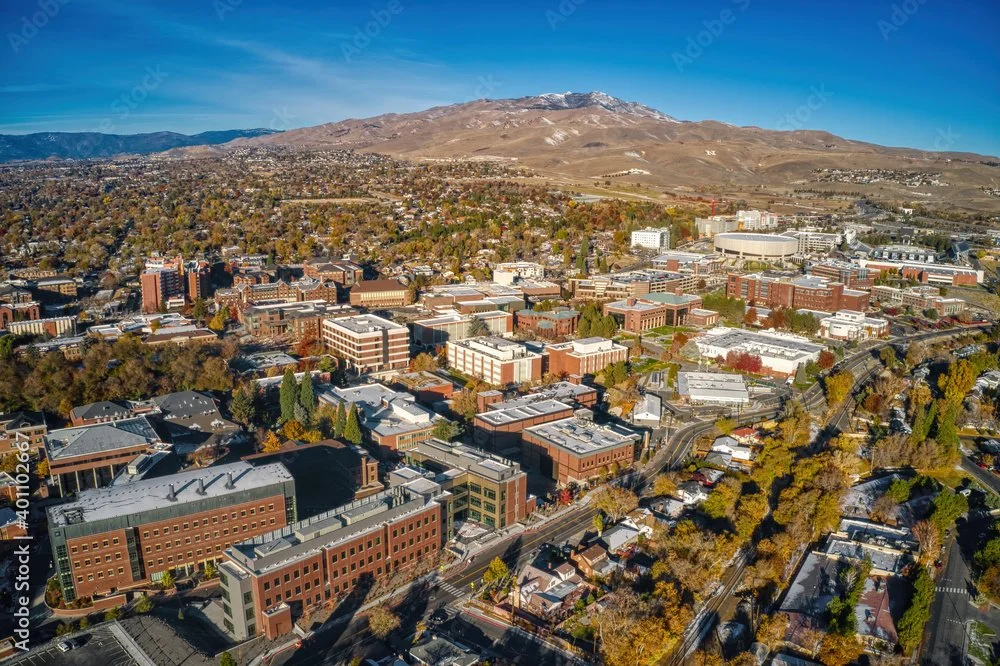
The numbers tell a pretty clear story. Nevada sits 48th in national education rankings with the worst teacher-to-student ratio in the country, roughly 43 educators per 1,000 students. Half the state's teachers leave within five years of starting. The state signed its largest-ever education budget, but funding alone doesn't fix class sizes too large for real instruction, working conditions that burn teachers out, or federal changes to student loan programs that make entering the profession less affordable than ever.
What Morgan Can Do:
Morgan will fight for federal education funding that doesn't punish states for being underfunded in the first place.
Morgan will push for teacher loan forgiveness and housing assistance, especially for educators who commit to rural and underserved districts.
Morgan will co-sponsor legislation investing in teacher training, mentorship, and retention. She can protect Title I, special education funding, and school nutrition programs from further cuts.
Morgan will champion trade schools, apprenticeships, and community college pathways, because not every kid needs a four-year degree, but every kid needs a shot at a good career.

CHILDCARE
-
Childcare in Nevada is both an access crisis and an affordability crisis. licensed care deserts are common across the state, especially outside the biggest population centers. Annual childcare costs in Nevada reached over $10,000 for family child care and over $24,000 for center-based care.
Families are already under pressure from rising housing costs, and over 80% of extremely low-income renter households in Nevada are severely cost-burdened, making childcare an impossible choice when a majority of your income goes to keeping a roof over your head.
Childcare workers are also among the lowest-paid workers in the state, which fuels turnover and makes it harder to build stable, high-quality programs. Every parent who stays home because they cannot find or afford care is a worker the economy loses, a business that does not get started, and a family that falls further behind.What Morgan Can Do:
Morgan will fight for federal childcare investment that expands access and lowers costs, especially in rural communities where private markets are not filling the gap.
She can support a stronger Child Tax Credit and dependent care support to help working families keep more of what they earn. She can also back efforts to raise wages and strengthen the childcare workforce through federal funding, while supporting Head Start and early learning programs that give children a better start and parents more breathing room.
RURAL NEVADA
-
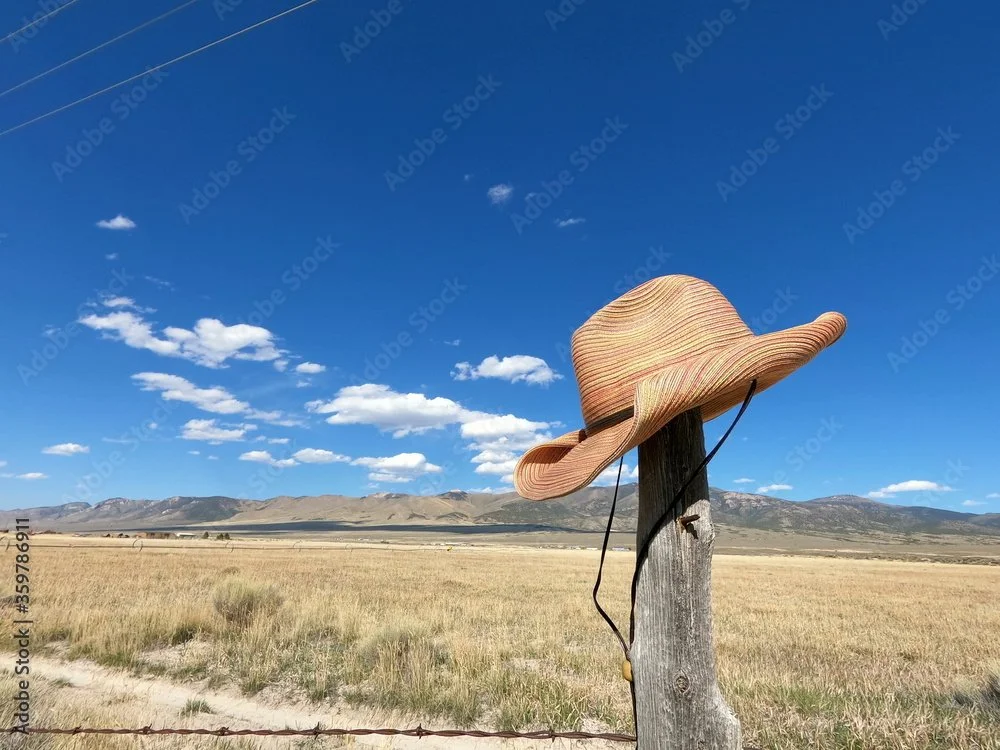
Small towns across NV-02 are dealing with compounding crises that metro areas barely register. Internet access is unreliable. Healthcare access is shrinking. Young people move away because economic opportunity is largely nonexistent. Washington has historically treated these communities as places to extract minerals, test weapons, and absorb what urban areas don't want.
Rural hospitals now face potential service cuts as states scramble to allocate limited federal transformation funds. Nearly half of all rural births are covered by Medicaid, and those reimbursements are being slashed.
The people living in these communities aren't asking for special treatment. They're asking to not be forgotten by the politicians they vote for.What Morgan Can Do:
Morgan will fight for sustained federal investment in rural internet, healthcare, and economic development, not one-time grants that expire before they make a difference.
Morgan will push for fair returns from Nevada's natural resource industries: if a company is pulling wealth out of our ground, the community should see the benefit.
Morgan will advocate for federal projects in Nevada to hire locally and invest in workforce training for Nevadans.
Morgan will fight to keep rural hospitals open and staffed. And she can make sure that federal policy accounts for the reality of living in a state where the nearest anything might be a hundred miles away.
PUBLIC LANDS
-
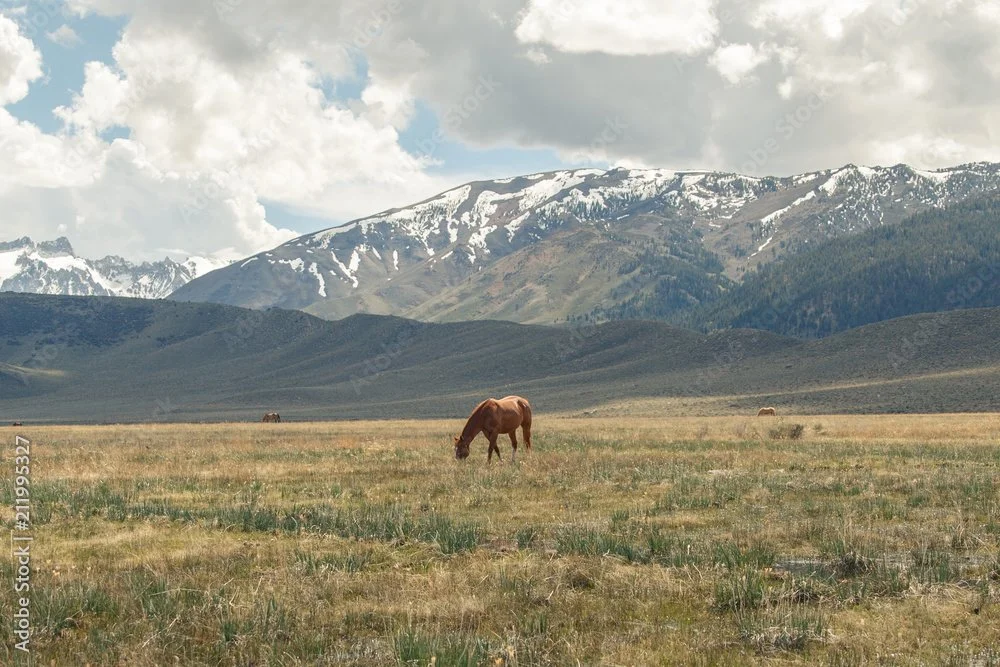
Nevada's public lands are the backbone of how we live, work, and play. They drive the outdoor economy, protect critical water sources, and preserve cultural sites that belong to every Nevadan. Right now, they face threats on multiple fronts. A Senate amendment last year proposed forcing the sale of up to 3.3 million acres across Western states, Nevada included, to offset tax cuts. The proposal was pulled, but its sponsor pledged to bring it back. Meanwhile, the Roadless Rule is being rolled back, the administration's legal team claims the president can abolish national monuments, environmental regulations are being gutted, and the agencies responsible for managing these lands are running on skeleton crews. The nominee to lead the BLM has spent his career working to sell or transfer public lands into private ownership. Conservation groups have raised particular concern about the Ruby Mountains, Mt. Rose Wilderness, the Spring Mountains, and the Humboldt-Toiyabe Forest.
Every time this has come up, Nevadans, regardless of party, have been clear: not for sale. Once it's gone, it's gone forever.
What Morgan Can Do:
Morgan will vote against any legislation that sells, transfers, or privatizes Nevada's public lands without genuine community input, environmental review, and reinvestment in conservation. She can fight for real funding for the BLM and Forest Service.
Morgan will push for meaningful consultation with Tribal Nations as a requirement, not an afterthought. She can pursue a seat on the Natural Resources Committee, which oversees the majority of her district. And she can make sure that federal land decisions reflect Nevada's reality, not Washington's agenda.
MINING
-
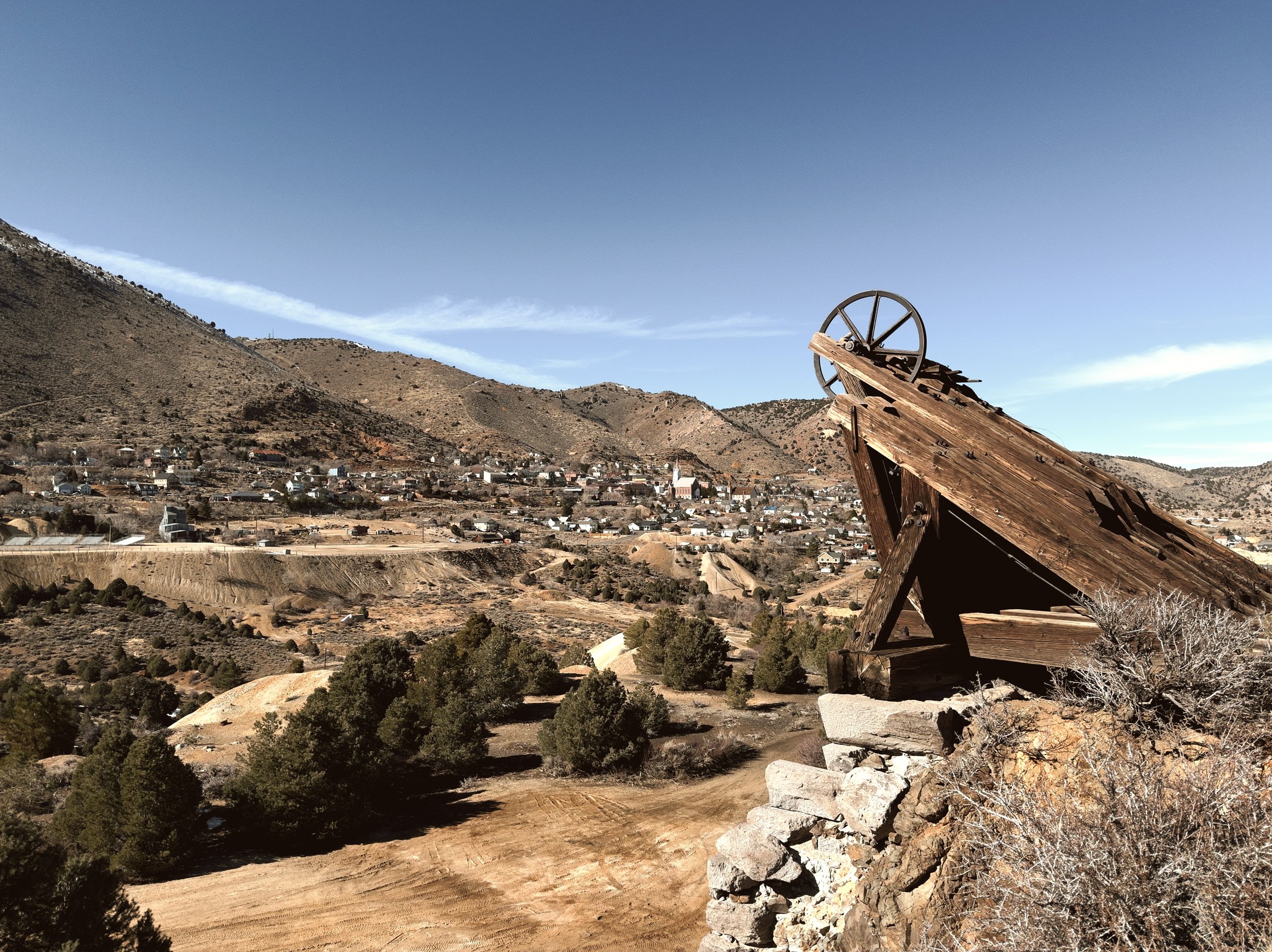
The General Mining Law of 1872 lets hardrock miners tap public lands with no royalties, leaving taxpayers to foot cleanup bills for toxic sites. In Yerington, the Anaconda mine legacy means arsenic and uranium taint local water, with remediation dragging on for decades. Nevada produces massive gold and copper, yet federal policy treats public resources like giveaways. Stronger reclamation bonds, water safeguards, and fair royalties can keep jobs flowing without sacrificing rural health or groundwater.
What Morgan Can Do:
Morgan will push to modernize the 1872 law with royalties on public minerals, so mining revenue benefits all Nevadans. She'll fight for stricter cleanup bonds upfront and tougher water protections for operations near fragile basins. And she'll demand federal oversight that puts community health first, ensuring mines deliver jobs without leaving behind poisoned wells or empty promises.

WORKERS & WAGES
WORKERS & WAGES
-
Every town in NV-02 depends on workers who keep things running, from hospitality and healthcare to mining, construction, logistics, the arts, and education. The problem is that working hard doesn't go as far as it used to. A majority of our fellow Nevada residents still can't afford a mortgage in the city where they work. Mining companies pull billions in value out of Nevada's ground every year while the communities sitting above it fight for basic services like clean water. And workers who try to organize face intimidation, retaliation, and legal processes built to run out the clock.
What Morgan Can Do:
Morgan will co-sponsor federal legislation strengthening the right to organize without employer retaliation. She can push for a federal minimum wage that reflects the actual cost of living, not a number from 15 years ago.
Morgan will fight for enforcement funding at the Department of Labor so wage theft, misclassification, and safety violations actually get investigated. She can advocate for protections specific to the industries that keep Nevada running. And she can support policies that keep wealth circulating in Nevada communities instead of funneling it to out-of-state shareholders.

IMMIGRATION
-
Immigrants power essential jobs in Nevada agriculture, construction, and hospitality, yet ICE raids target workplaces and families, deterring vital labor amid housing shortages and harvest crunches. Current border policy mixes tough talk with poor result. Mass deportation threats ignore economic reality, risking industries without replacements. Families split, kids traumatized, rural towns short-staffed.
What Morgan Can Do:
Morgan will support reform that secures borders humanely, invests in root causes, and legalizes the labor we depend on.
Morgan will champion expanded visas, DACA permanence, family unity, and citizenship for long-term contributors fueling the NV economy.
Morgan will co-sponsor progressive bills ending workplace raids, funding asylum processing abroad, and humane pathways, protecting workers and communities from federal overreach.

GUN RIGHTS
-
Nevada's gun death rate is among the highest in the nation at around 18 per 100,000, with suicides accounting for the majority, particularly in rural counties where rates often exceed urban areas and access to mental health support can be limited.
Firearms have become the leading cause of death for children and teens ages 1-17, while homicides, domestic violence shootings, and accidental deaths add to the toll.The state already requires universal background checks on all gun sales, a strong step forward, but federal loopholes allow dangerous weapons to flow in from out of state. Rural families, who value guns most for protection and tradition, deserve better data, enforcement, and prevention that targets real threats without punishing responsible owners.
-
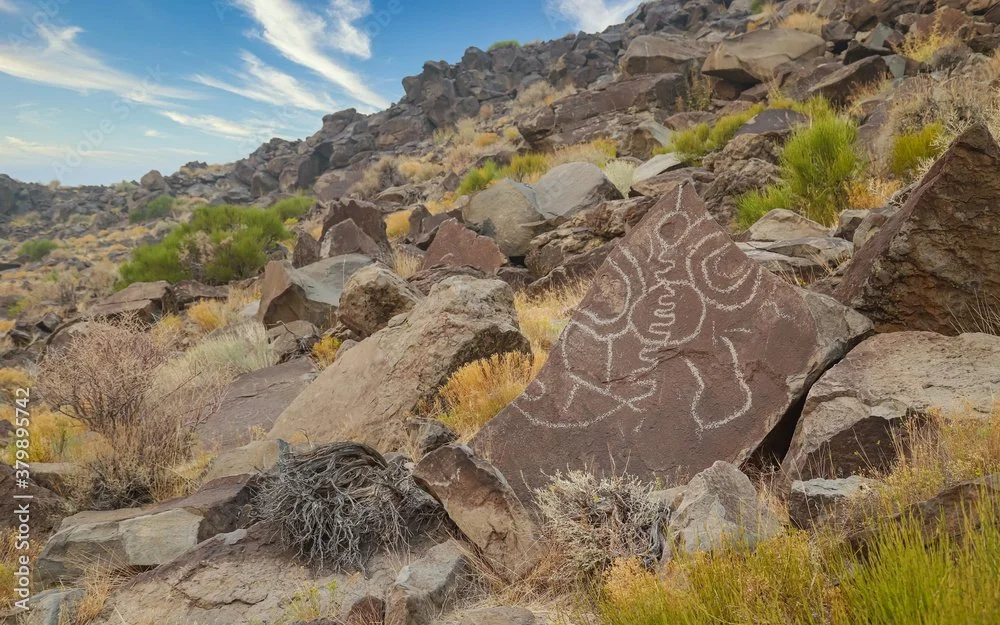
NV-02's Tribal communities include the Pyramid Lake Paiute Tribe, the Washoe Tribe of Nevada and California, and several Western Shoshone Nations, all of whom have faced over 150 years of federal encroachment on their land, water, and cultural resources.
That pressure has not stopped. Proposals to sell public land threaten ancestral territory. Data center development threatens the water Tribal communities depend on. And far too often, the people making these decisions never consult the Tribes affected by them.What Morgan Can Do:
Morgan will fight to require meaningful, early consultation with affected Tribal Nations before any major federal land, water, or resource decision in NV-02.
Morgan will push for federal investment in Tribal healthcare, internet, housing, and infrastructure as treaty obligations.
Morgan will protect Tribal water rights against diversion to corporate interests.
Morgan will support legislation recognizing Tribal Nations as essential partners in land stewardship and conservation.
TRIBAL SOVEREIGNTY
TRIBAL SOVEREIGNTY

MONEY IN POLITICS
-
Morgan's refusal to accept corporate, billionaire-funded, or foreign-influenced PAC money isn't a branding exercise. It's a decision about who she answers to, and it's what makes every other commitment on this page credible. Compare that to the rest of the NV-02 field: one candidate is a self-funded venture capitalist, others carry institutional backing and establishment ties. This campaign is built by the people Morgan will represent.
Here's the uncomfortable truth: until we fix how campaigns are financed, every other issue on this page is harder to solve. The same donors writing the checks are the same interests benefiting from the status quo. That's not a conspiracy; it's how incentive structures work.
What Morgan Can Do:
Morgan will co-sponsor a constitutional amendment to overturn Citizens United. She can push for a ban on congressional stock trading, because it's insider trading and Congress shouldn't be exempt.
Morgan will fight for enforceable campaign spending caps and real ethics oversight for every branch of government, including the Supreme Court.
Morgan will co-sponsor legislation making clear that no one, including the president, is above the law. And she can prove, by example, that you can run a real campaign without selling your vote.
MONEY IN POLITICS

WE WANT TO HEAR FROM YOU!
Have a concern, question, policy idea? We want to hear from Northern Nevadans!
Use the form below and let’s build together.